


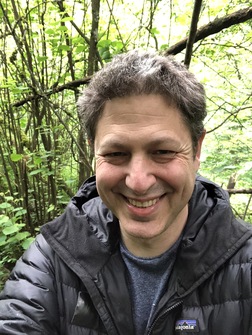
Lee Scher, MA
Licensed Professional Counselor
Therapeutic Approaches that Inform my Practice
Contemplative Psychotherapy
"According to Buddhist tradition, people possess buddha-nature- that is, they are basically and intrinsically good. From this point of view, health is intrinsic... [Therefore] the approach to working with others that I would like to advocate is one in which spontaneity and humanness are extended to others...
...Our foundation is that we trust our own [and our client's] basic goodness. Basic goodness is the potential every human being has to express unconditional acceptance, kindness, and gentleness towards themselves and others."
- Chogyam Trungpa
Psychodynamic Psychotherapy
"The past is never dead. It's not even past."
-William Faulkner
By understanding how your present relationships and emotional experience have been shaped by childhood experiences, you can learn to distinguish past from present and have greater freedom to create the kind of relationships and life you want now.
Jungian Psychotherapy
"By observing a great many people and studying their dreams over time Carl Jung found that, on the whole, dreams seem to follow an arrangement or pattern. Jung called this pattern 'the process of individuation.'
-Marie Louise von Franz
According to Jung, our conscious mind is just a tiny fragment of who we really are. At the center of our unconscious psyche is an organizing principle that seeks growth and wholeness. Jung observed this principle in action in patients' dreams, and called it "the Self." Jungian therapy helps the client connect with this powerful inner guide- which is every human being's best ally in finding genuine healing.
Client-centered Psychotherapy
"The curious paradox is that when I accept myself just as I am, then I can change."
- Carl Rogers
By fostering a relationship based on unconditional acceptance, empathy, and genuineness, the therapist provides the conditions in which the client's own natural propensity towards healing and growth is supported.